Subjects





The name “Condaghe di Santa Maria di Bonarcado” refers to manuscript 277 kept in the University Library of Cagliari. This is a collection of documents, framed chronologically from the beginning of the 12th to the middle of the 13th century, which present the transcriptions of the acts relating to the heritage movements of the monastery of Santa Maria di Bonarcado.
The Byzantine term 'condaghe', it is useful to remember, originally defined an act of donation in favor of an ecclesiastical body. Later, it acquired greater semantic extension, coming to designate the set of documents (scrolls) attesting to the acquisition of assets by a monastery and their administration.
Unfortunately, most of the chards written in the “scriptoria” of the island's dioceses and monasteries relating to cathedrals and island cenobes (a term of Greek origin - from “koinòs”, “town” and “bios”, “life” - which designates a community of monks gathered under the same rule in a monastery) are now lost. Exceptions are the chards of San Pietro di Silki, San Nicola di Trullas, San Michele di Salvenor and precisely Santa Maria di Bonarcado.
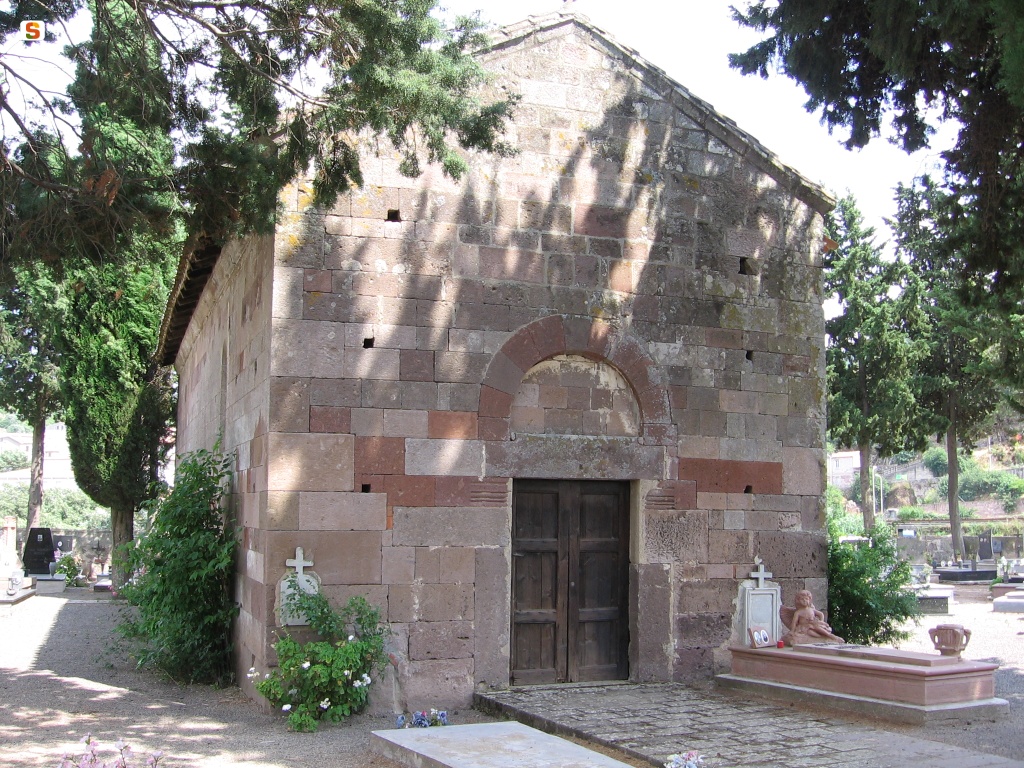
In the “Condaghe di Santa Maria di Bonarcado” we find several variants (“Bonarcatu”, “Bonarcato”, “Bonarcanto”) of the toponym “Bonarcado”, deriving from the Greek term “panakhrantos” (“immaculate”, “very pure”), the attribute with which the Virgin Mary was venerated in the sanctuary of Our Lady of Bonacattu, originally a Greek monastic seat later entrusted to the Camaldolese friars.
From the oldest document in the “Condaghe di Santa Maria di Bonarcado”, dating back to around 1110, we learn that the Benedictine friars settled in Bonarcado precisely on that date. This document attests that the judge of Arborea Costantino I de Lacon-Serra, with his wife Anna de Zori and with the consent of the archbishop of Oristano, established a donation and a monastery in honor of the Trinity and the Virgin Mary Mother of God.
The monastery was entrusted to the Camaldolese abbot of San Zeno di Pisa, with the commitment to send his monks to maintain and administer the monastery in honor of God, Santa Maria, San Benedetto and San Zeno. The new foundation included nine churches and various assets such as men (servants and handmaids), cultivated land, vineyards, wooded areas (saltos), pastures, livestock.
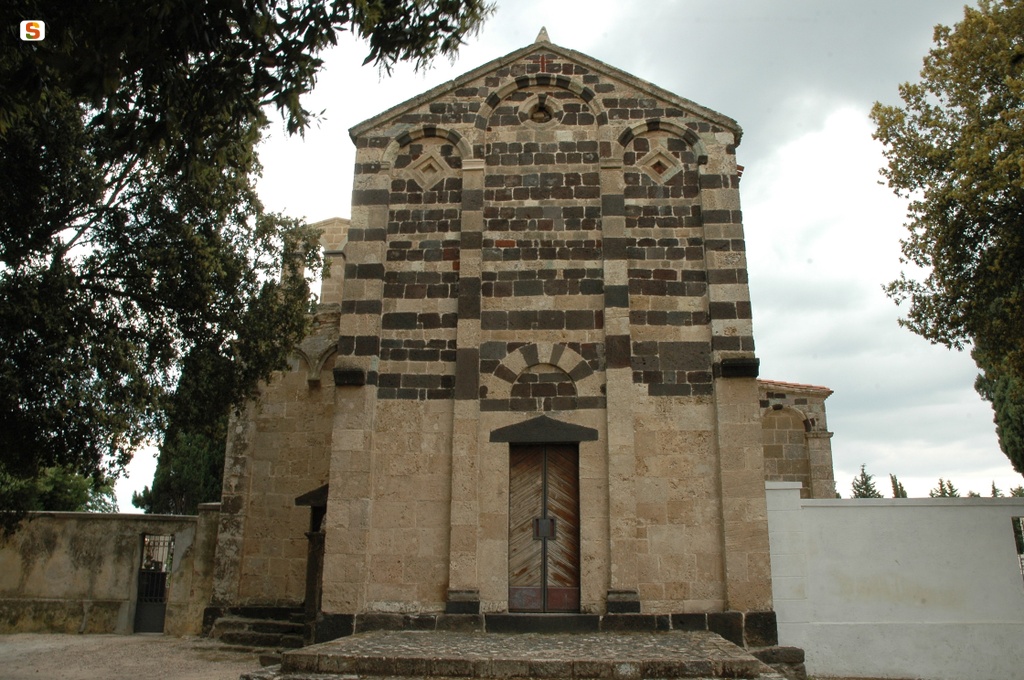
From two scrolls of the “Condaghe di Santa Maria di Bonarcado”, probably dating back to 1146/47, we learn the date of consecration (precisely the year 1146/47) of the Camaldolese church. The two documents inform us that the judge of Arborea Barisone I de Lacon-Serra increased the monastery's possessions with new donations on the occasion of the solemn consecration of the “new church” of Santa Maria, in which the Arborense archbishop Comita de Lacon and the suffragan bishops (a term that designates an attribute of the bishops who depend on a Metropolitan: so-called because they help the superior in the exercise of his spiritual ministry) Paucapalea, Alibrandello of Terralba, by Usellus.
The archbishop of Torres Azzo with his bishop, Mariano Thelle di Bisarcio, the population and representatives of the Arborense curators, the archbishop of Pisa Villano (as papal legacy) and the judges of the other three judges of Sardinia also took part in the event: Costantino-Salusio III of Cagliari, Gonnario di Torres, Constantine III of Gallura.
The Camaldolese abbey owes its dedication to Santa Maria and the appellation of “new church” to the fact that it supplants the previous sanctuary, now inadequate due to its cramped dimensions to meet the new cultural and political needs inaugurated precisely with the royal foundation donated to the Camaldolese Order but affiliated not directly to the mother abbey, but to the Pisan one of San Zeno. The abbot of Bonarcado was thus designated not to Camaldoli but to San Zeno di Pisa.
Update


 Facebook
 Twitter
 LinkedIn
 Whatsapp

 Print
Print
 E-mail


Comments