Subjects





The ancient Neolithic (6000-4000 BC) marks an important turning point in the history of the island. The transition from a livelihood system based on hunting and gathering to one focused on agriculture and animal domestication and animal husbandry produces radical changes in the supply of food resources, with progressive demographic increase and profound social and economic consequences. In addition, the invention of ceramics allows the production of containers of various sizes intended for various functions.
The period was characterized by a ceramic production called cardiale, named after the shell (Cardium) used to imprint the decoration on the surface of the artifacts. Caves and shelters under rock are typical houses of this phase. Among the sites that have returned cardial ceramics are the caves of Su Carroppu (Carbonia) and Filiestru (Mara).
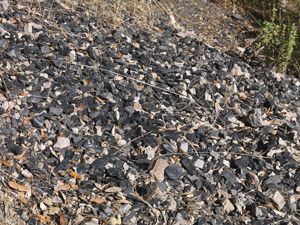
In the ancient Neolithic period, the systematic exploitation of obsidian (volcanic rock with a glassy structure) coming from Monte Arci, in the Oristano area, also developed. This is a precious resource for the production of lithic artifacts, which will be widely used in Sardinia. Obsidian from Monte Arci has also been found in extra-insular locations. These findings have often been interpreted as a sign of a real wide-ranging trade in Sardinian obsidian, even if the most recent research tends to mitigate this statement.
Update
Images
Video
Author : Spadetta Giulio

Results 2 of 39451
View All


 Facebook
 Twitter
 LinkedIn
 Whatsapp

 Print
Print
 E-mail


Comments