Subjects





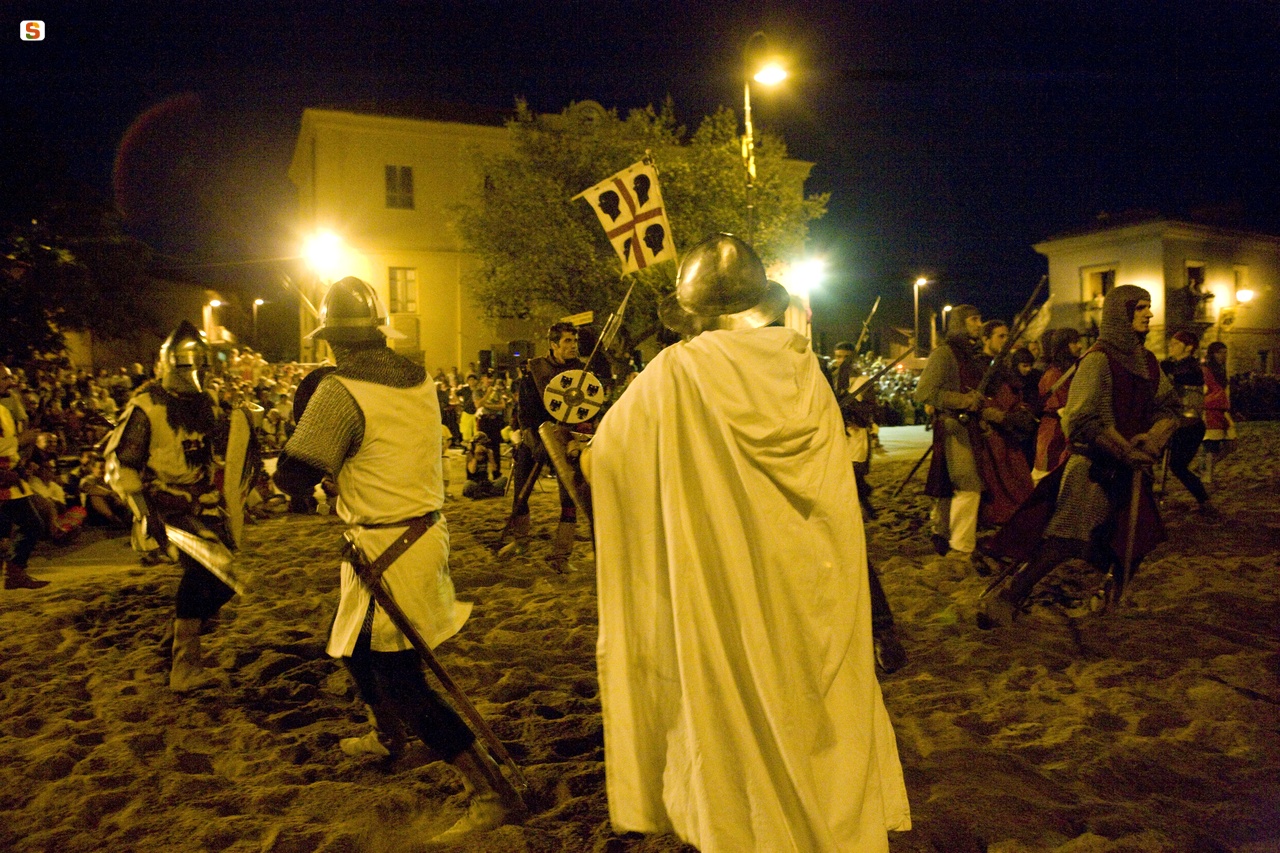
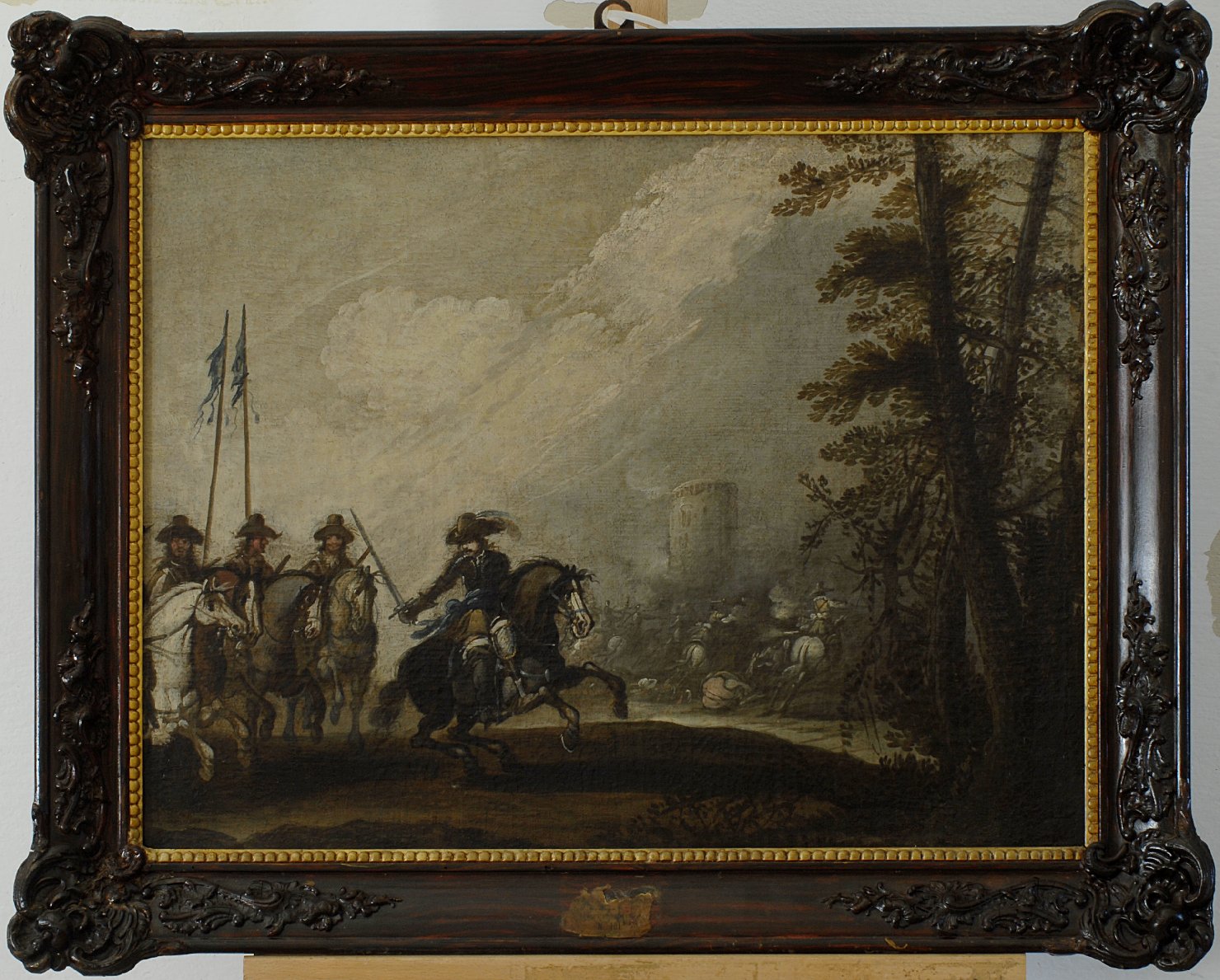
The long war for domination over Sardinia between the kingdom of Arborea and the Crown of Aragon, started by Mariano IV of Bas-Serra in September 1353 and continued by his heirs, was interspersed with short periods of truce and had a decisive turning point in 1409 with the battle of Sanluri, from which the judicial army was heavily defeated.
The fight took place on the morning of Sunday, June 30 in the plain south of the castle and the fortified village of Sanluri, where William III of Narbona-Bas (ruler of Arborea) was located with his army of seventeen thousand Sardinian foot soldiers, two thousand French knights and a thousand Genoese crossbowmen. In the town that is still called 'Su Bruncu de sa Battalla' ('The Battle Tower').
The Arborenses were invested at the center of the deployment by the eight thousand infantrymen and three thousand knights of the army of Martin the Younger (son of the Aragonese ruler Martino the Elder), better equipped and trained, and were divided into two sections: the left side retreated to the Mannu river, and was overwhelmed in the place that bears the name of “Su occidroxiu” (“The slaughterhouse”); the right side was divided in turn into two remains: the first fell back to Sanluri but was reached and exterminated; the second, led by the judge, took refuge in the neighbor castle of Monreale that resisted the onslaught.
The episode of defeat marked the end of the reign of Arborea: despite the victory won over the Aragonese on the following 17 August, on 29 March 1410 Leonardo Cubello, regent in place of William III of Narbona-Bas, who went to France in search of help, signed a capitulation document with which he ceded almost all the territories of the judiciary to the Crown of Aragon, regaining them in fief with the title of marquisate of Oristano.
Returning from France, William III tried to organize the anti-Aragonese resistance on the island, even reporting some success, but he ended up agreeing on the transfer of the rights to the court, on 17 August 1420, for the sum of 100,000 gold florins.
Update
Audio


 Facebook
 Twitter
 LinkedIn
 Whatsapp

 Print
Print
 E-mail



Comments