Subjects





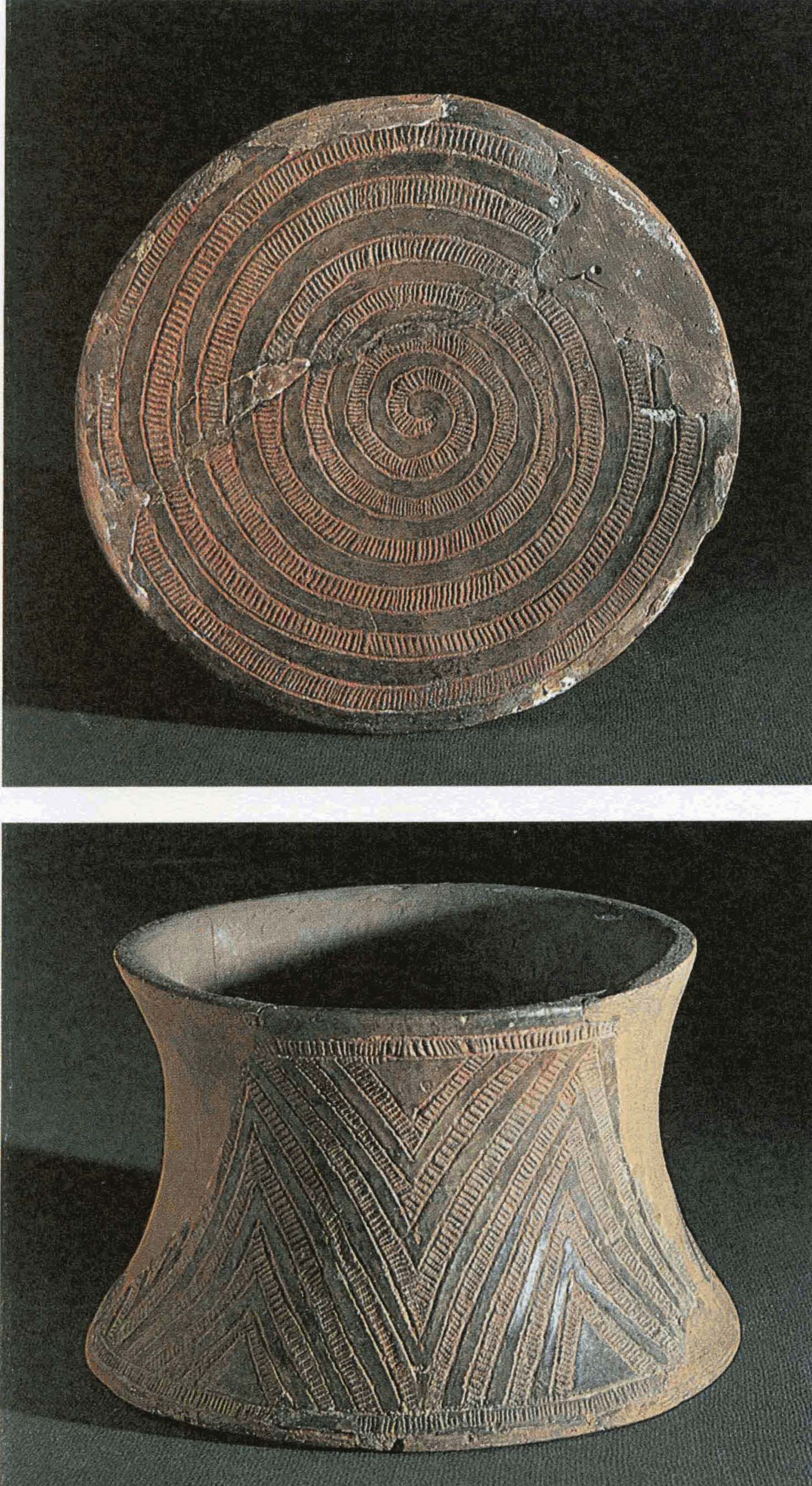
The first attestations in Sardinia of “artistic” products date back chronologically to the Lower Neolithic, when the first signs of decoration appear on the island: they are the “cardinal” decorations, obtained with the use of a shell called Cardium. We find them on the surfaces of the vascular forms relating to this period and to the culture called precisely “Cardiale”.
Starting from this chronological moment, the presence of the decoration of the surfaces of ceramic vases will represent a constant of the various prehistoric “cultures” that will take place on Sardinian soil, even if each culture will be characterized by peculiar decorative patterns, decoration techniques and extension of decorated surfaces.
The first manifestations of “figurative art” are the human faces or animal protomes made on the loops or on the surfaces of the vessels or even on bone artifacts. This is the case of a bone spatula (Sa Ucca de su Tintirriolu, Mara) decorated, on the top of the handle, with a human face.
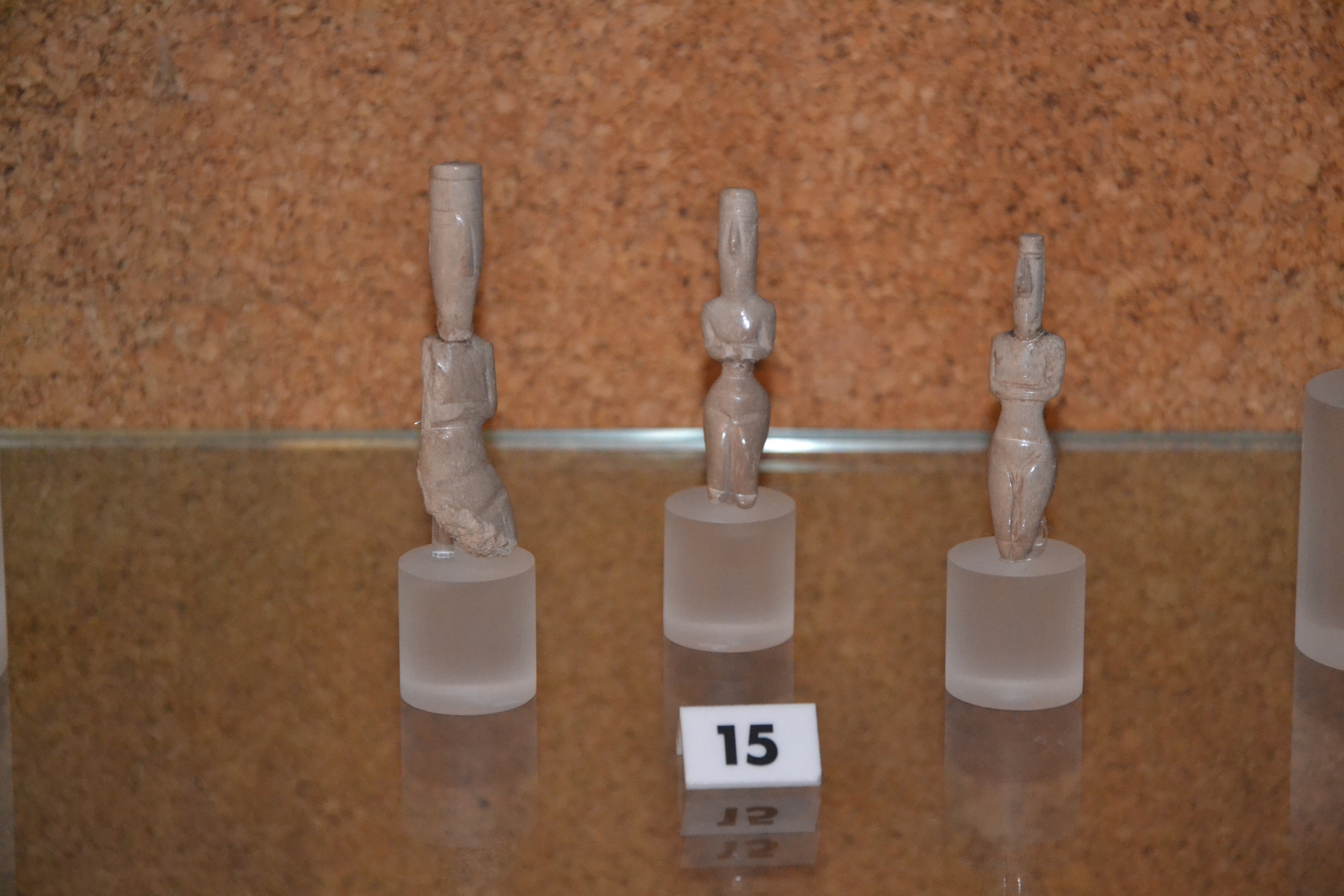
The Neolithic and Eneolithic figurines of the “mother goddess” appear even more explicitly “artistic”, that is, small figurines representing female figures represented, depending on the chronological and cultural phase, according to different styles.
Finally, we highlight the eneolithic monoliths called 'statue-menhirs', classified as' masculine '(with dagger) or' feminine '(with breasts).
Update
Images
Video
Audio

Author : Battiato, Franco
Year : 2018
Results 2 of 6690
View All


 Facebook
 Twitter
 LinkedIn
 Whatsapp

 Print
Print
 E-mail
Comments