Subjects





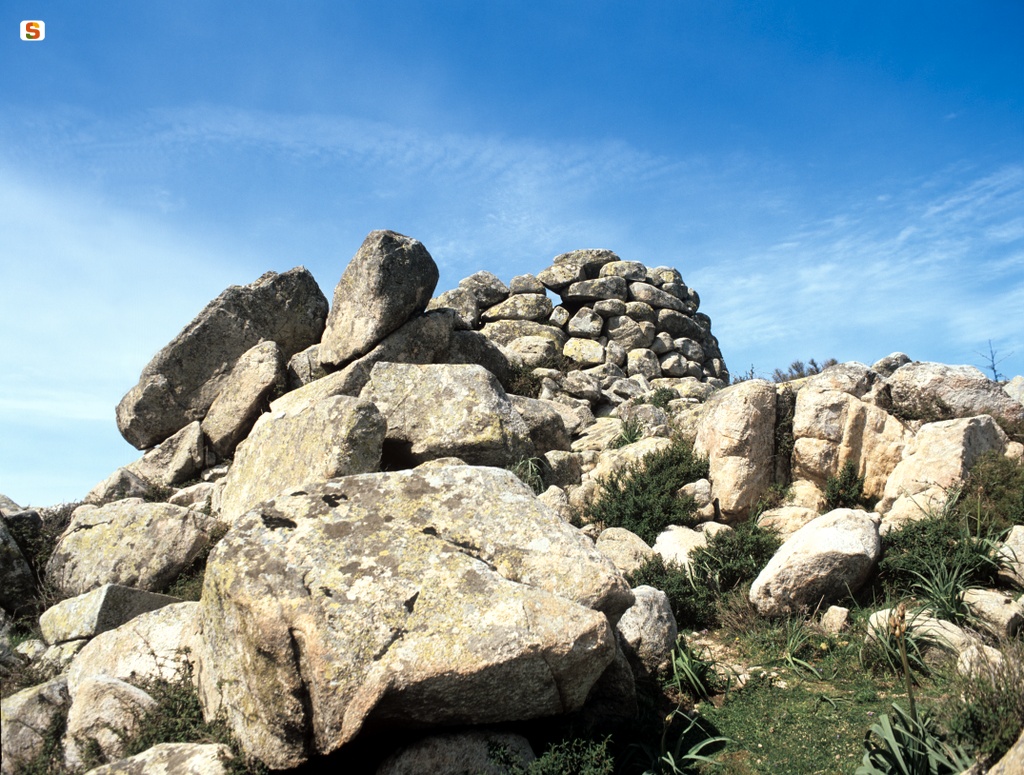
On the occasion of the European Archaeology Days, the Region of Sardinia celebrates its extraordinary heritage. A treasure that has attracted scholars and visitors from all over the world for centuries like a large open-air museum. From the monumental vestiges of the pre-Nuragic and Nuragic ages to the subsequent Phoenician, Punic and Roman stratifications, the island tells a thousand-year history of discoveries, research and technological innovation
The pioneers of research
The interest in archaeological sites and finds, initially driven by antiquarian interests, underwent a turning point during the 19th century thanks to the activity of Canon Giovanni Spano who investigated the main regional sites, founding the magazine “Bullettino Archeológico Sardo”, significantly subtitled “collection of ancient monuments in all kinds of the whole island of Sardinia”, a historic magazine and collection of studies published between 1855 and 1884 which represents the first systematic work dedicated to the preservation and cataloguing of historical and archaeological heritage. At the same time, General Alberto Lamarmora began a monumental work of geographical, historical and ethnological cataloguing, which was included in his essays “Journey to Sardinia” and “Itinerary of the Island of Sardinia”. In the twentieth century, the figures of Antonio Taramelli stand out, who for more than thirty years led systematic excavations throughout the region, and - in more recent times - of Giovanni Lilliu, whose work revolutionized the interpretation of Nuragic civilization and the oldest island history.
Today,
thanks to the rigorous application of the stratigraphic method and the use of cutting-edge excavation technologies, scholars are now able to reconstruct with millimeter precision the events of the investigated areas. In this field, the Catalogue of Cultural Heritage is fundamental as a tool for knowledge, protection and enhancement of archaeological heritage, through a systematic census that makes it possible to map archaeological emergencies, reconstruct contexts, digitize sites and finds, archive and share information, promoting scientific research and public accessibility.
SardegnaCulture and Archaeology
The SardegnaCultura portal offers a focus dedicated to archaeology through various information actions.
Update
Video


 Facebook
 Twitter
 LinkedIn
 Whatsapp

 Print
Print
 E-mail


Comments