Subjects





The Condaghi, made between the eleventh and thirteenth centuries, are among the first testimonies of the Sardinian vulgar. These are manuscripts on parchment, with documents relating to donations and assets of churches or religious communities.
Originally (starting from the Byzantine period) they were heritage records drawn up in the form of cards sewn one on the other and then rolled around a cane (kontakion in Greek, hence the term condaghe).
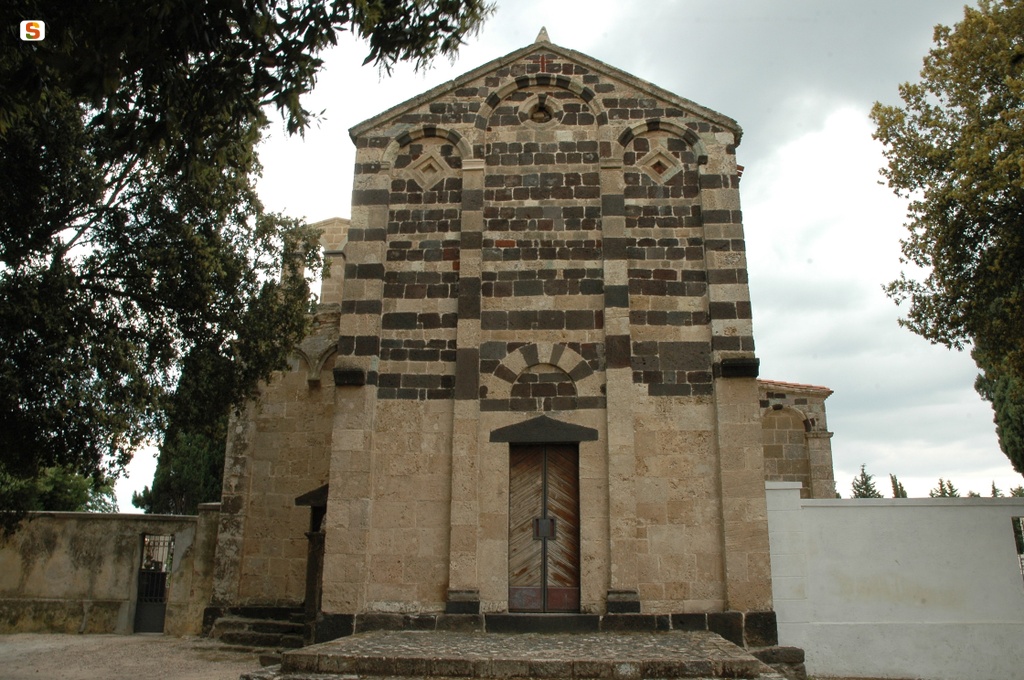
In medieval times, we passed from cane to book, but the term somehow remained. Among the best known are the Condaghe di San Pietro di Silki, in which the oldest acts, copied in 1150-80, are from a century earlier; the Condaghe di San Nicola di Trullas, in which the recorded acts date back to 1115-76 but with a drafting dated around the end of the 12th century; the Condaghe of Santa Maria di Bonarcado, in an arborense variety, whose oldest fragments date back to the years 1120-46; the Condaghe of San Michele di Salvenor, which came to us in a translation most recent Spanish.
The Condaghe of the San Leonardo di Bosove hospital is the only registry in secular Sardinian that has been received to this day. It collects the documents of the donations made by Judge Barisone II of Torres in favor of leprosy.
MONOGRAPHS
Il condaghe di San Nicola di Trullas, a cura di P. Merci. Nuoro, Ilisso, 2001 (Bibliotheca sarda; 62);
Il condaghe di Santa Maria di Bonarcado, a cura di M. Virdis. Nuoro, Ilisso, 2003 (Bibliotheca sarda; 88).
Update


 Facebook
 Twitter
 LinkedIn
 Whatsapp

 Print
Print
 E-mail


Comments