Subjects





The stone statues, scattered in various parts of the island, come mostly from sanctuaries, and generally reproduce animal protomes, especially the bull. Attributable to the religion of the Nuragics, they are perhaps the continuation of that cult for the male partner of the mother goddess already worshiped in the pre-Nuragic age.
Another subject often reproduced, in both medium-sized and small statues, is the nuraghe itself, mostly single-tower, consisting of a small pillar, called a “betilo-tower”, also in relation to the fact that their usual location was inside the “meeting hut”, almost always in the center of the room and on a support placed in the floor. A sort of altar (a 'betil'), therefore, from which the divinity watched over and was the guarantor of the decisions and pacts that were sanctioned during the meetings. However, we can find representations - even in bronze and small in size - of complex nuraghi, with a realistic depiction of the keep rising on the bastion, of the stands on shelves that crowned the upper part of the walls.
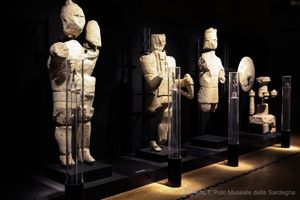
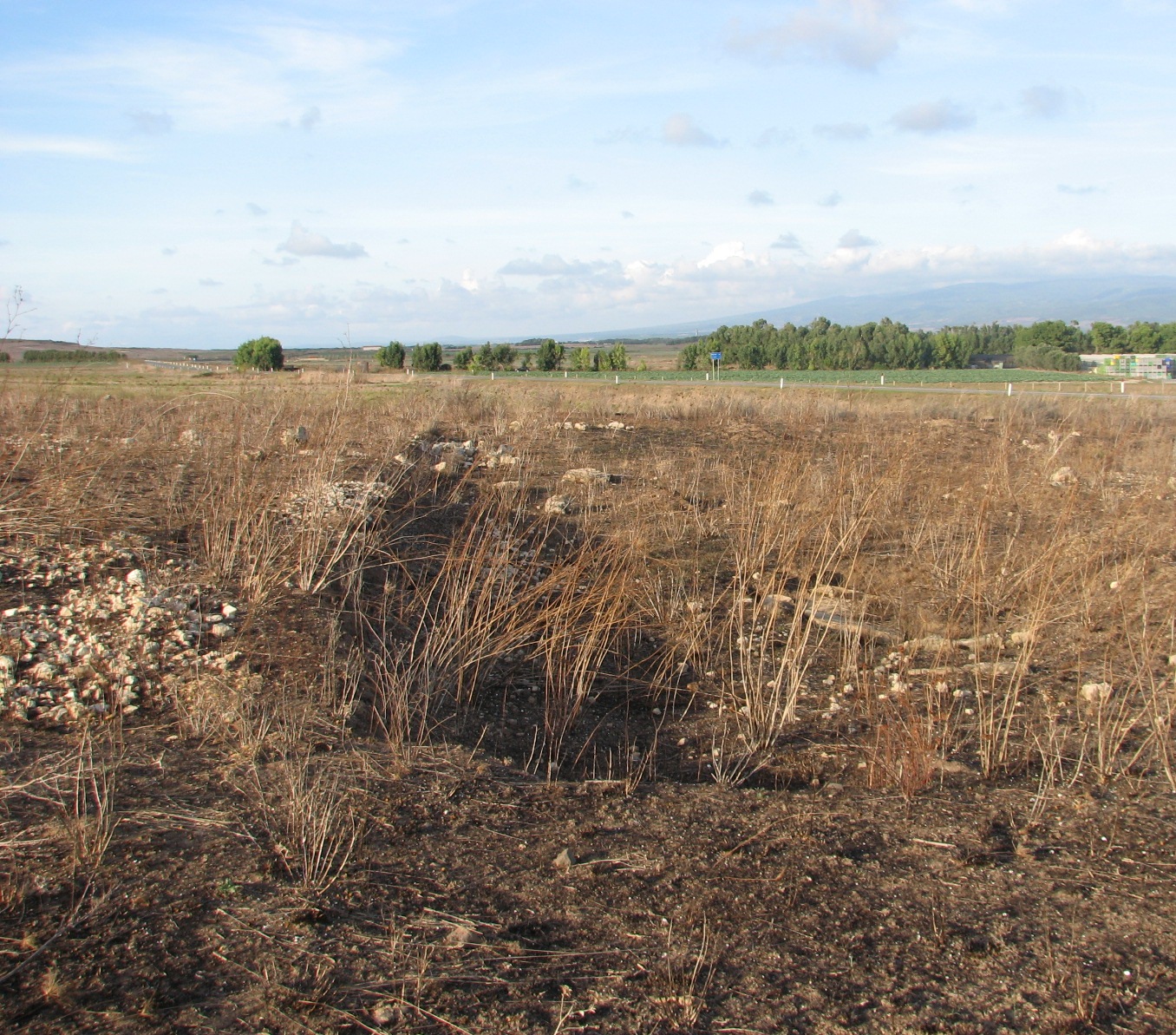
Thanks to these representations, today we are able to grasp what the original structure of the nuragic towers should have been, which have come to us without a roof. In the middle of the Iron Age, the Nuragic civilization will also be able to produce a large anthropomorphic statuary, however limited to an isolated case, in the hinterland of Tharros, precisely in the funerary sanctuary of Monti Prama in Cabras.
In this period, “Sardinian-Phoenician” aristocracies were already forming and the time of the Nuragic civilization was already bordering on myth. Precisely to the myth of these distant ancestors, now heroicized and divinized, the great statues of Monti Prama seem to be remade, which reproduce the features of bronzes, with their rich armament of bows, horned helmets, shields, gloves and other protections for the limbs and body.
Update


 Facebook
 Twitter
 LinkedIn
 Whatsapp

 Print
Print
 E-mail


Comments