Subjects





The origins of the Feast of the Redeemer in Nuoro are to be found in the initiatives prepared in conjunction with the Jubilee Year 1900, when Pope Leo XIII expressed his desire that as many simulacra of Jesus the Redeemer be placed on 19 peaks of Italy. Monte Ortobene di Nuoro was among the chosen areas. The diocese of the Barbarian city was responsible for defining the characteristics of the work and finding the necessary funds. Grazia Deledda also participated in the fundraising campaign, writing an “appeal-letter” on the Sardinian Union.
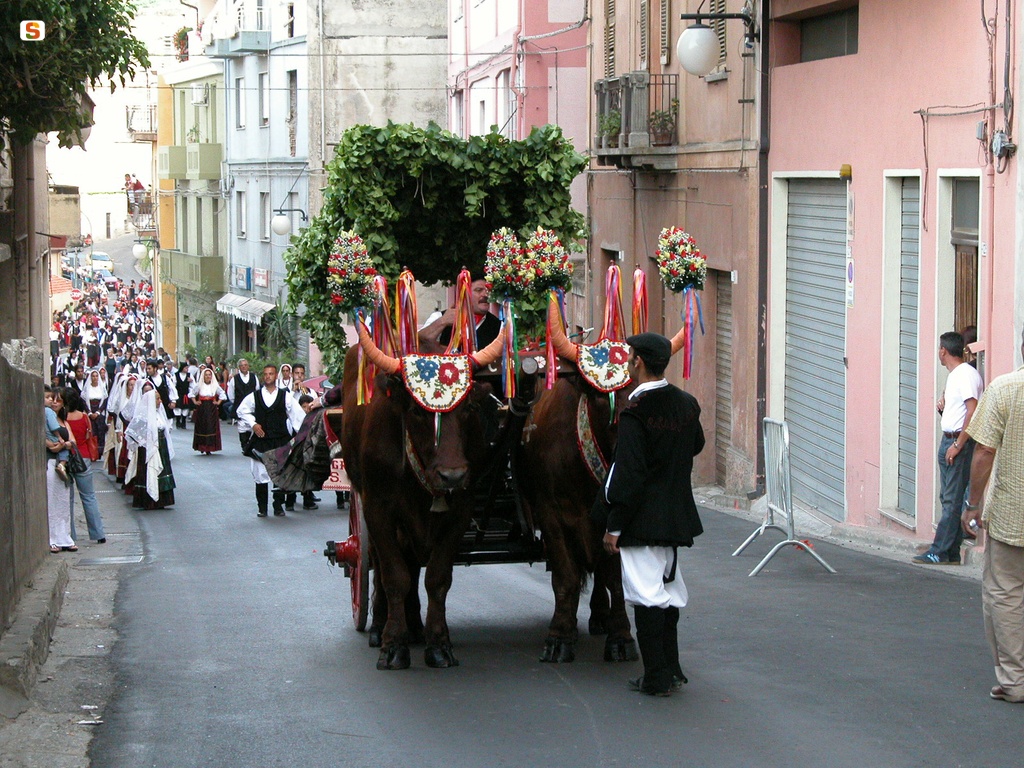
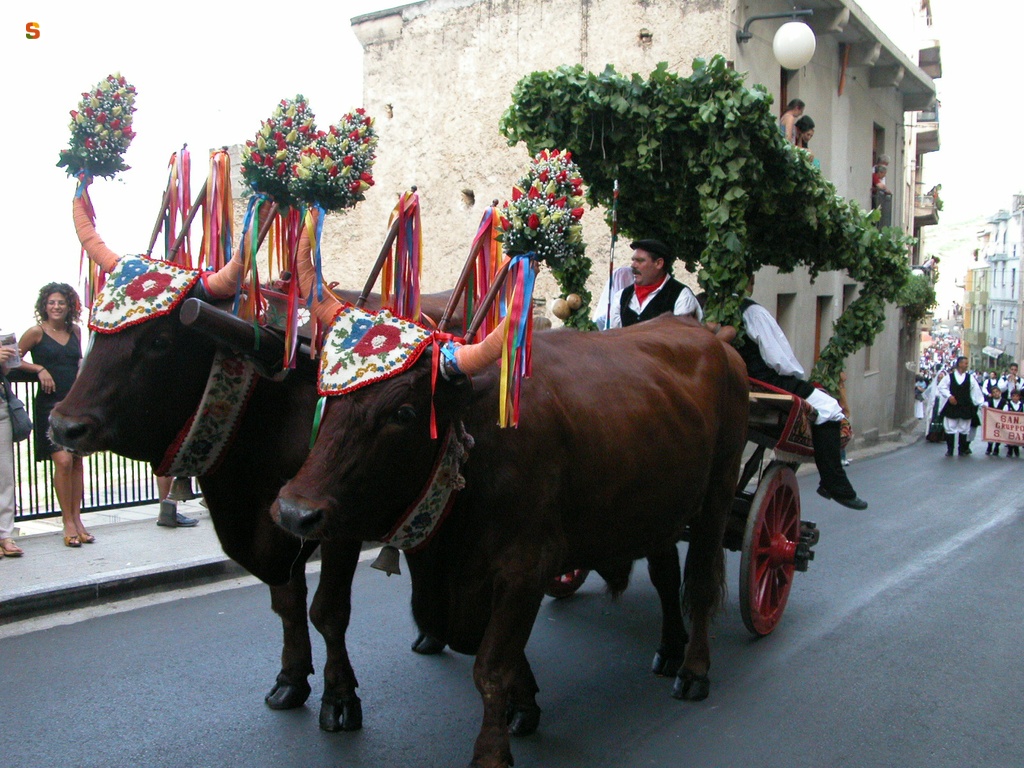
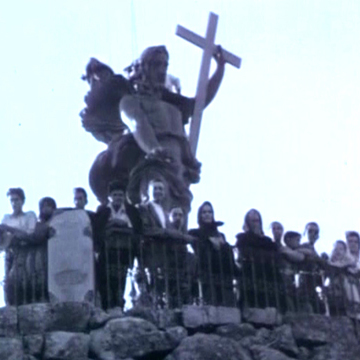
The bronze statue, 7 meters high and weighing 18 quintals, was cast in Naples, where the author, Vincenzo Jerace, resided. Once arrived in Nuoro, the impressive simulacrum was transported by oxcarts made available by the Nuoro farmers. The opera was inaugurated on August 29, 1901, with an annual re-enactment and attached religious rite.
From the beginning, the Feast of the Redeemer was animated by the devotion of the faithful, so it can certainly be defined as a religious holiday. A little more than ten years after the inauguration of the sacred simulacrum, as we read in Deleddian's novel Canne al vento (1913) about the ferment set in motion by the party:
In August and September it was a continuous journey, a laborious rush. At first they went up Mount Orthobene for the Feast of the Redeemer.
It was August, the big, red moon rose from the sea and illuminated the woods. [...] At dawn, a distant chanting was heard; and (scil. Efis) spent the night praying under the black cross that seemed to unite the blue sky with the gray earth. At dawn, a distant chanting was heard; a procession went up the valley and in a moment the rocks were covered with white and red, the bushes blossomed with the faces of laughing children, and under the elves the old shepherds knelt like converted Druids.
Above the altar cut on the living stone, the cup sparkled in the sun, and the Redeemer seemed to linger before taking flight from the rock, planting the cross between the gray earth and the blue sky.
As time went by, the religious nature of the festival was combined with the folkloristic character. Today, the two aspects coexist, despite being divided into different moments.
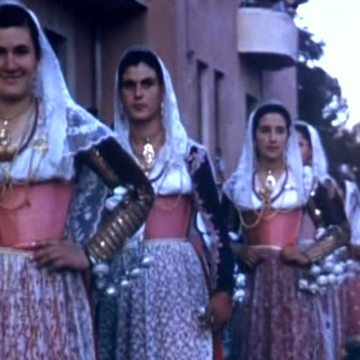
On August 29, devotees gather in front of the cathedral of Santa Maria della Neve, singing the gosi (sacred lauds in Sardinian language). From here, a pilgrimage of about 6 km begins, punctuated by 13 stations, to the foot of Mount Ortobene. The most solemn moment is the celebration of the solemn Mass. In the previous days, one of the most important folklore events on the island takes place. There are about three thousand people in traditional clothes, two hundred Amazons and knights who are also dressed according to tradition, the most typical carnival masks of the Sardinian tradition. All accompanied by the background of traditional music performed by the launedhas, organ and accordion players and by the four-voice multivocal song, called “a tenor”.
Update
Images
Texts

Results 2 of 1492095
View All
Video


 Facebook
 Twitter
 LinkedIn
 Whatsapp

 Print
Print
 E-mail
Comments