Subjects





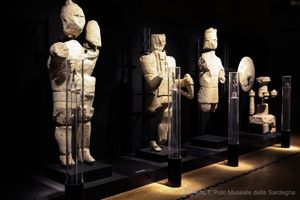
The large statues of Mont'e Prama (Cabras) represent an archaeological and artistic fact of great importance. In fact, these are artistic artifacts that (with the exception of archaic Greek sculptures) do not find analogies between contemporary Mediterranean productions, even if, it must be said right now, the chronology of these works represents a serious scientific problem.
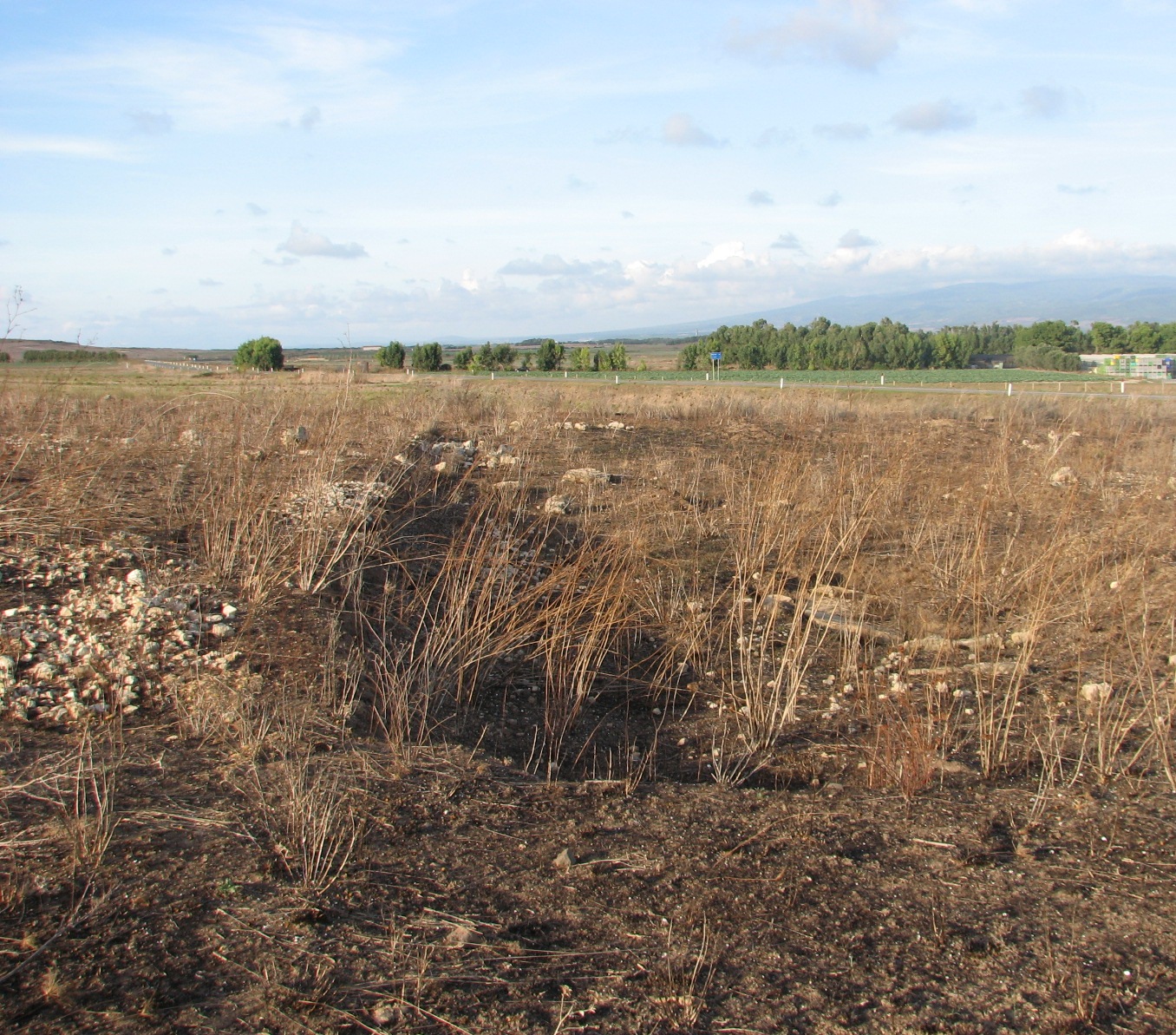
The sculptures of Monti Prama were found at a necropolis with individual burials, and this fact already represents an important fact, since in the Nuragic age the norm was represented by collective burials inside the “tombs of the giants”.
About thirty fragmentary specimens were found.
These sculptures depict, following an iconographic style absolutely consistent with that adopted for the small bronze statuary, various male human figures: archers, hoplites, boxers, but also (and this is also an important fact) nuraghe models. One of these depicts a four-lobed nuraghe and a character who seems to be trying to climb one of the straight sides of the monument.
If the artistic and cultural value of the sculptures seems unquestionable and undisputed, their precise interpretation is much less clear and not at all easy.
The most accredited interpretation so far wants to see in these figures the representations of characters pertaining to a heroic past. However, the debate is still open.
Update
Video


 Facebook
 Twitter
 LinkedIn
 Whatsapp

 Print
Print
 E-mail



Comments