Subjects





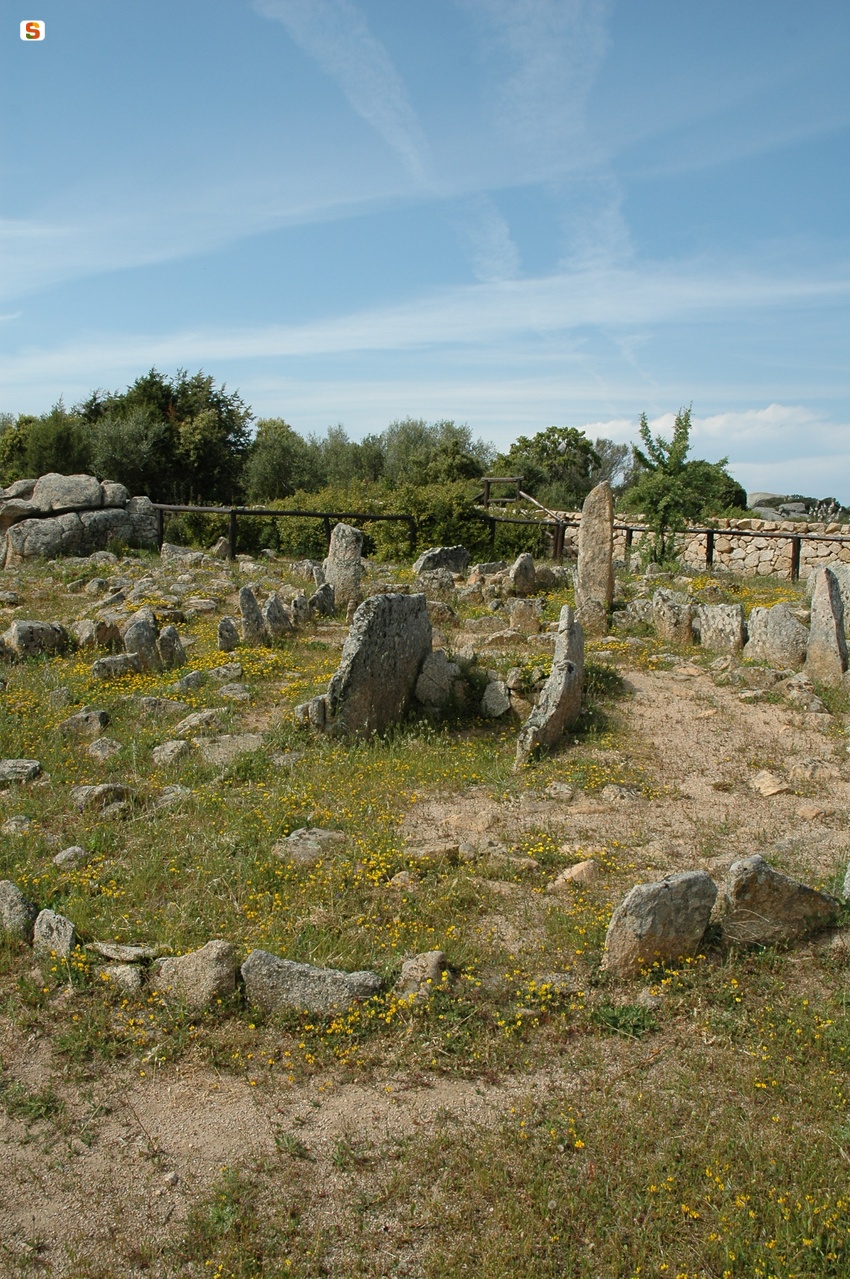
In the recent Neolithic (3400-3200 BC), archaeological data became increasingly complex and articulated, so scholars used the distinctive criterion of grouping in facies the sets of finds linked together by certain affinities, even without achieving the coherence and complexity that characterize real cultures. One of these facies is known as San Ciriaco, from the name of a town in the territory of Terralba, in the Oristano area. The ceramic production is characterized by the typical profile of the vases. Even the famous green steatite cup found in the necropolis of tombs in a megalithic circle of Li Muri near Arzachena, originally considered relevant to the culture of Ozieri, is now referred to the San Ciriaco facies for its strong resemblance to its ceramic productions.
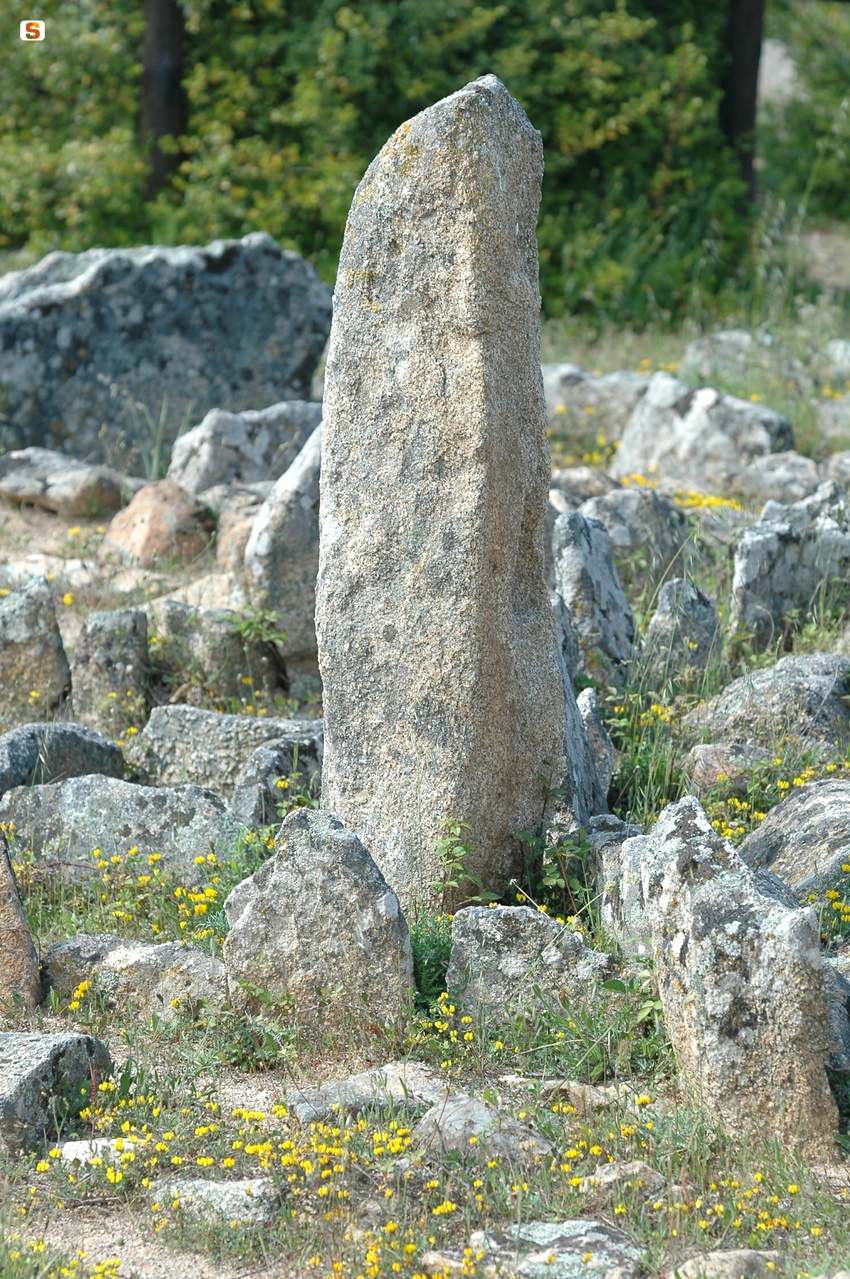
It was in this phase that the first domus de janas (fairy houses), the typical artificial cave tombs, were excavated and, in addition to the megalithic circle tombs, the first dolmens and menhirs were built
Update
Audio


 Facebook
 Twitter
 LinkedIn
 Whatsapp

 Print
Print
 E-mail


Comments